Customers ask us about this all the time, and the truth is the terms get used loosely even by people in the trade.
Antique technically means at least 100 years old. Vintage doesn’t have a fixed definition, but generally covers anything with some genuine age that isn’t antique yet. That’s the answer in one paragraph.
The longer answer is more interesting, because the distinction matters in some situations and barely matters at all in others.
When the Distinction Matters
Three places, mainly.
Provenance and authentication. An antique piece carries verifiable age, often confirmable through hallmarks, materials, and construction techniques. A Victorian ring isn’t just an old ring. It’s a specific kind of old ring, from a period with documented conventions you can check against. That verifiability is part of what serious antique pieces are paying for.
Customs and import duties. Genuine antique pieces, defined by HMRC as over 100 years old, often qualify for reduced duty when imported into the UK. Vintage pieces don’t. If you’re buying internationally, the classification has real financial implications.
Collector interest. People who collect Art Deco aren’t collecting ‘vintage’. They’re collecting Art Deco. The era is the unit, and within each era there are sub-periods and makers that move the value significantly. A 1928 Cartier piece and a 1948 retro piece are both ‘vintage’ in casual usage, but they belong to entirely different markets.
When It Doesn’t Really Matter
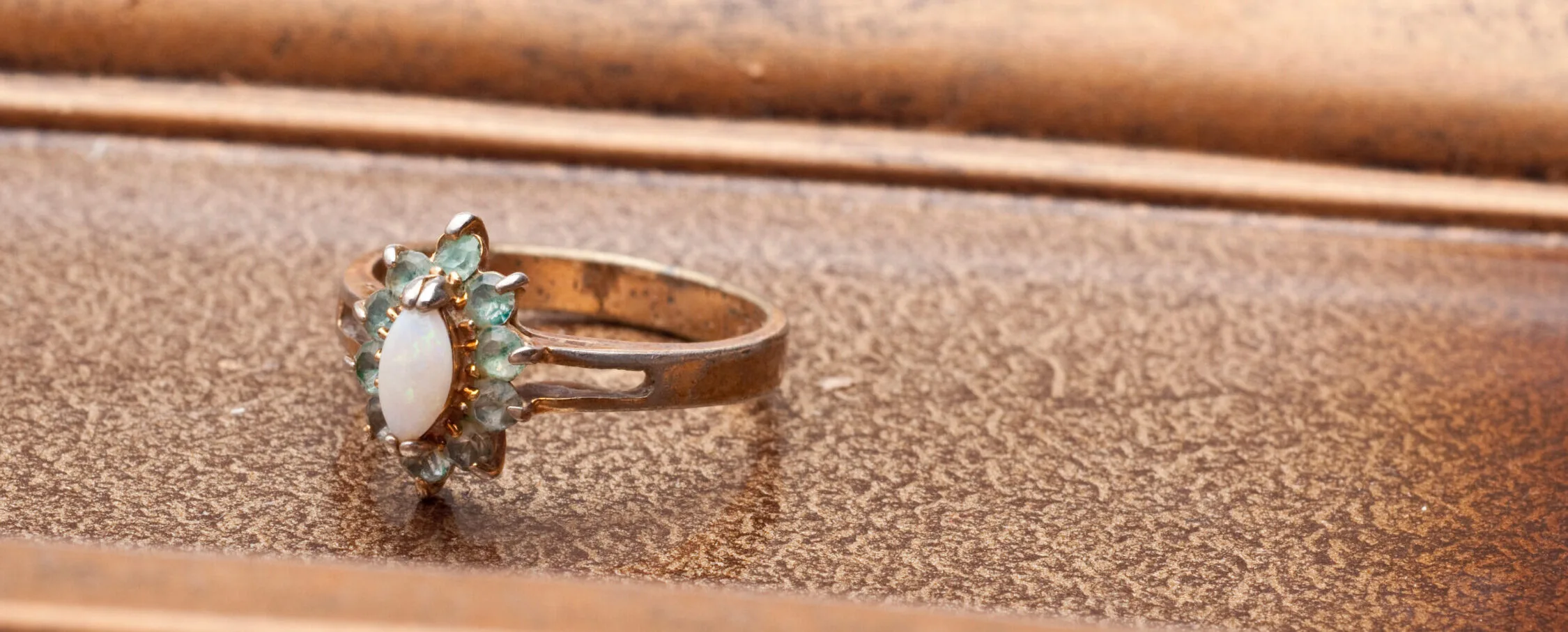
For most everyday buying, it matters less than people assume. A well-made 1965 cocktail ring is a 1965 cocktail ring. The label ‘vintage’ tells you almost nothing about whether it’s a good piece. What matters is the design, the condition, who made it, and whether you actually want to wear it.
We see customers occasionally get attached to the antique label as if it’s a quality marker. It isn’t, particularly. There’s plenty of unremarkable antique jewellery, and plenty of extraordinary vintage pieces. The age threshold is just a definition. It’s not a judgement.
What’s in Each Category
Antique covers the pre-1926 territory: Georgian, Victorian, Edwardian, and the very earliest Art Deco. Rarity goes up substantially as you move back in time. Victorian is the most abundant. Genuine Georgian pieces in good condition are uncommon enough that finding one is a moment.
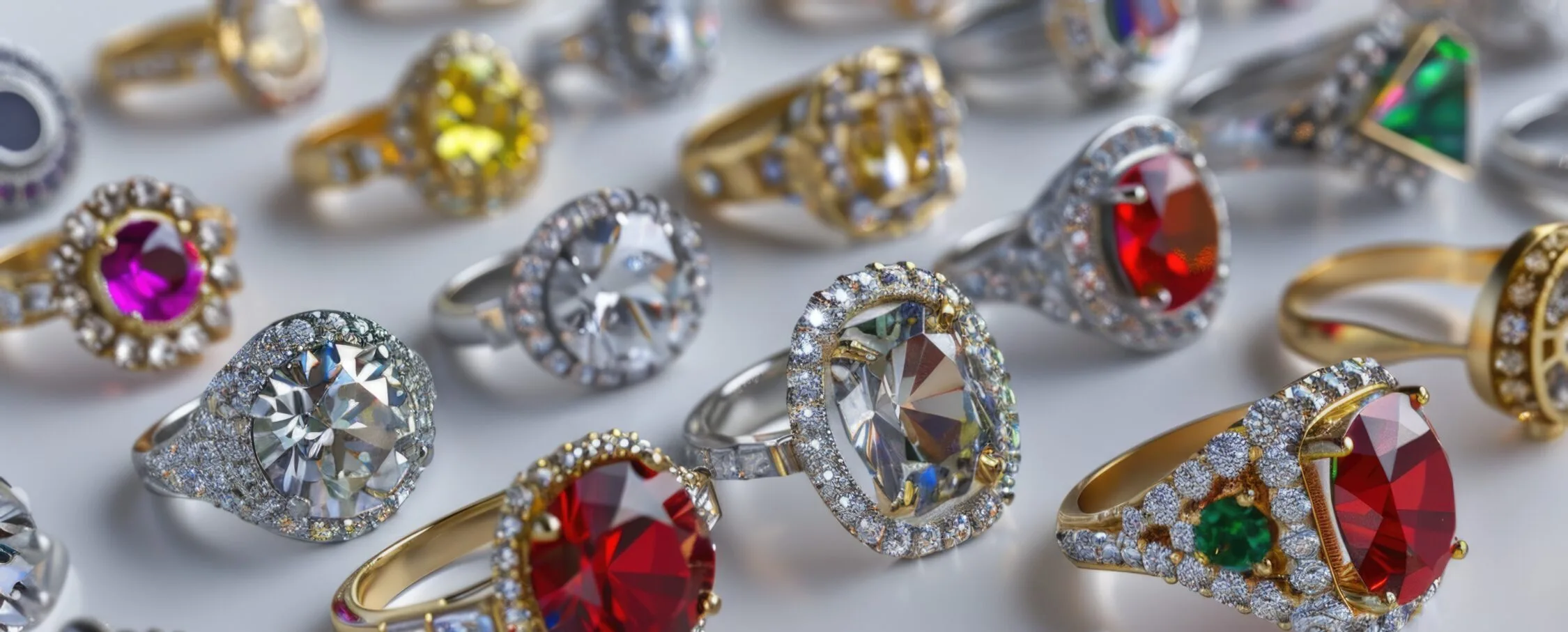
Vintage is much broader. Late-1920s Art Deco that doesn’t quite make the 100-year cut yet, retro work from the 1940s, the mid-century pieces that have become collectible in their own right, late-century designer work. The variety is enormous, and the range covers everything from accessible everyday pieces to serious designer work from houses like Cartier and Van Cleef & Arpels that commands significant prices. It’s often a good entry point for buyers new to period jewellery for the breadth of choice alone.
Which Should You Buy?
It depends on what you want.
If you want the rarest pieces and the deepest historical provenance, antique is the territory. Edwardian for platinum filigree at its most refined. Victorian for hand-wrought goldwork and stones with sentimental meaning. Georgian if you want something genuinely unusual and are prepared to be patient.
If you want a broader range to choose from and design language that often feels closer to contemporary tastes, vintage is worth exploring. Mid-century work in particular is underrated. 1950s and 60s pieces from skilled makers and designer houses can be exceptional, and the era has a confidence and individuality that wears well today.
For most buyers, the right question isn’t ‘antique or vintage’. It’s ‘what do I actually want this piece to look like, and what am I willing to spend’. Start there. The classification will sort itself out.
At Farringdons
Our antique and vintage collection covers both ends of the spectrum, with pieces from the Georgian era through to the late 20th century. We carry both because we think both have something genuine to offer, and because plenty of our customers don’t care about the label.
If you want a starting point, our guide to buying antique and vintage jewellery covers the practical side. The vintage gift guide is useful if you’re buying for someone else.
Or just get in touch. We’d rather have a five-minute conversation about what you’re actually looking for than send you down the wrong path.
FAQs
What age makes jewellery antique?
A hundred years, which currently means pre-1926. It’s the standard trade definition and the threshold used by UK and US customs. Anything newer than that is vintage, technically, though the terms get used loosely in casual conversation.
Is vintage jewellery more affordable than antique?
Not necessarily. The two categories overlap significantly in price, and the answer depends more on the specific piece than the category. A 1960s Van Cleef piece will cost more than an average Victorian cluster, while plenty of Victorian everyday pieces are very approachable. Maker, condition, rarity, and demand drive price more than the antique/vintage label.
Can a vintage piece become antique over time?
Yes, that’s exactly how it works. The 100-year line moves forward continuously, so pieces drift from vintage into antique as decades pass. A 1920s Deco ring that was ‘vintage’ in the 1990s is now firmly antique. We’ve watched this happen with several categories in our time.
Does it matter whether a piece is antique or vintage when buying?
Not as much as people think. Get clear on what you actually want (era, style, stone, condition, budget) and the classification will follow. The label tells you when something was made. It doesn’t tell you whether it’s any good.