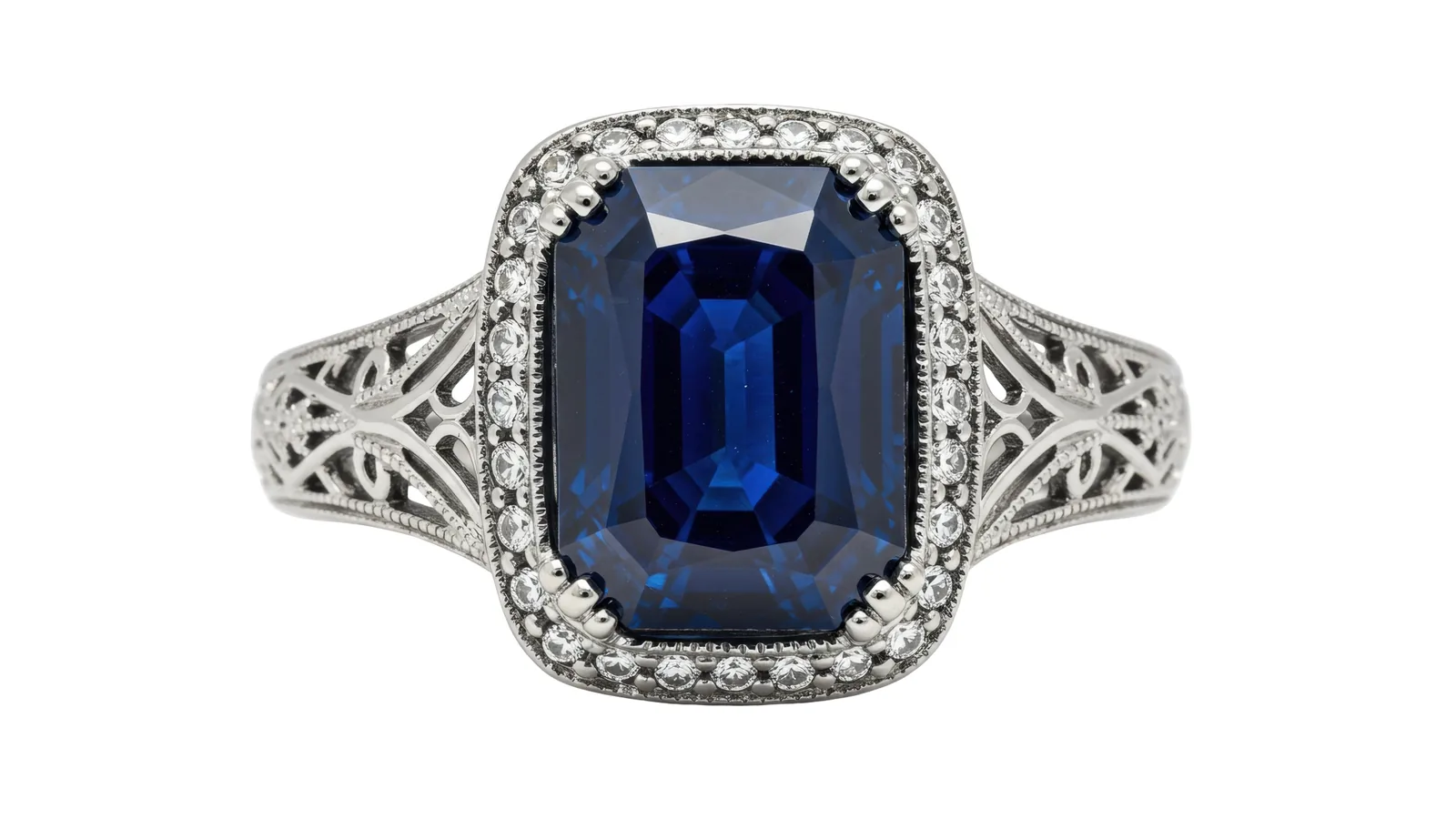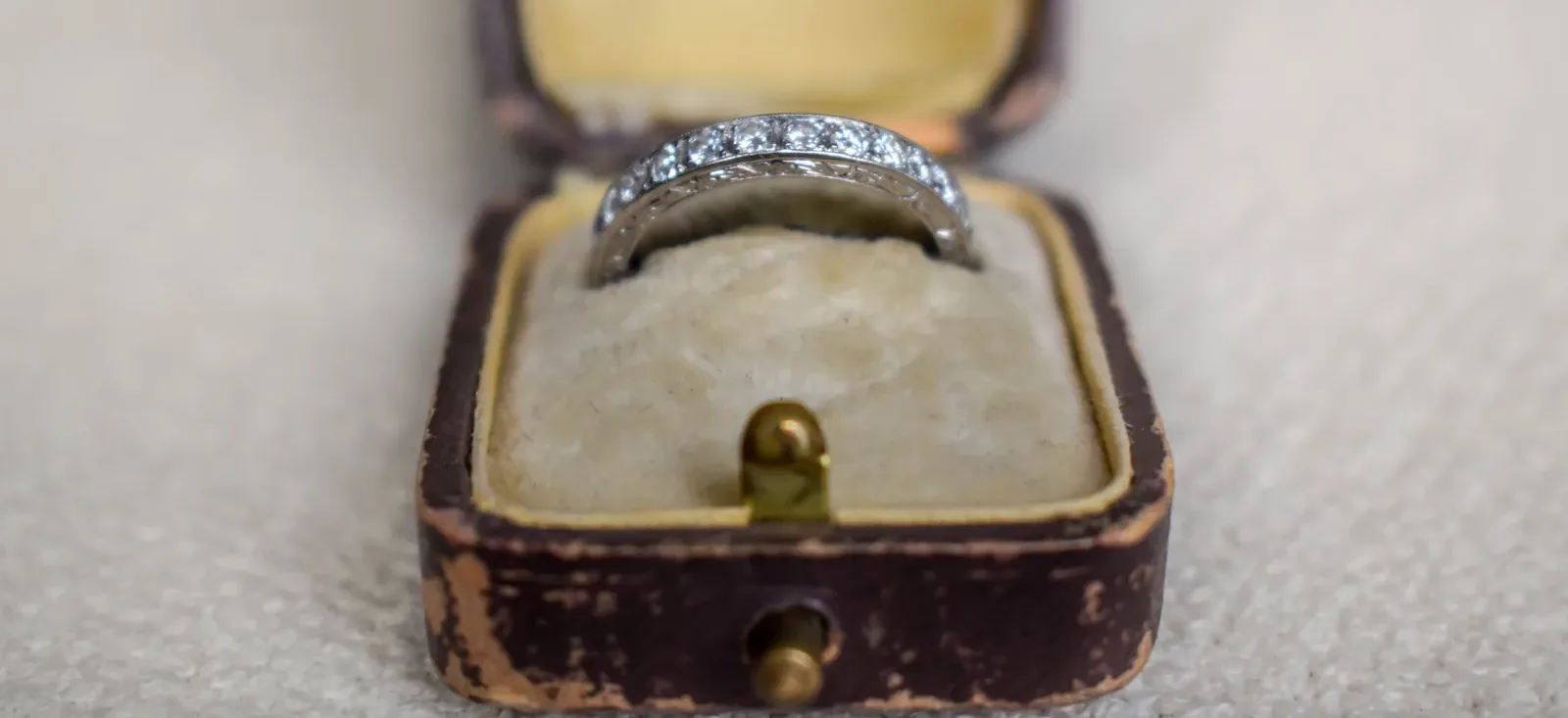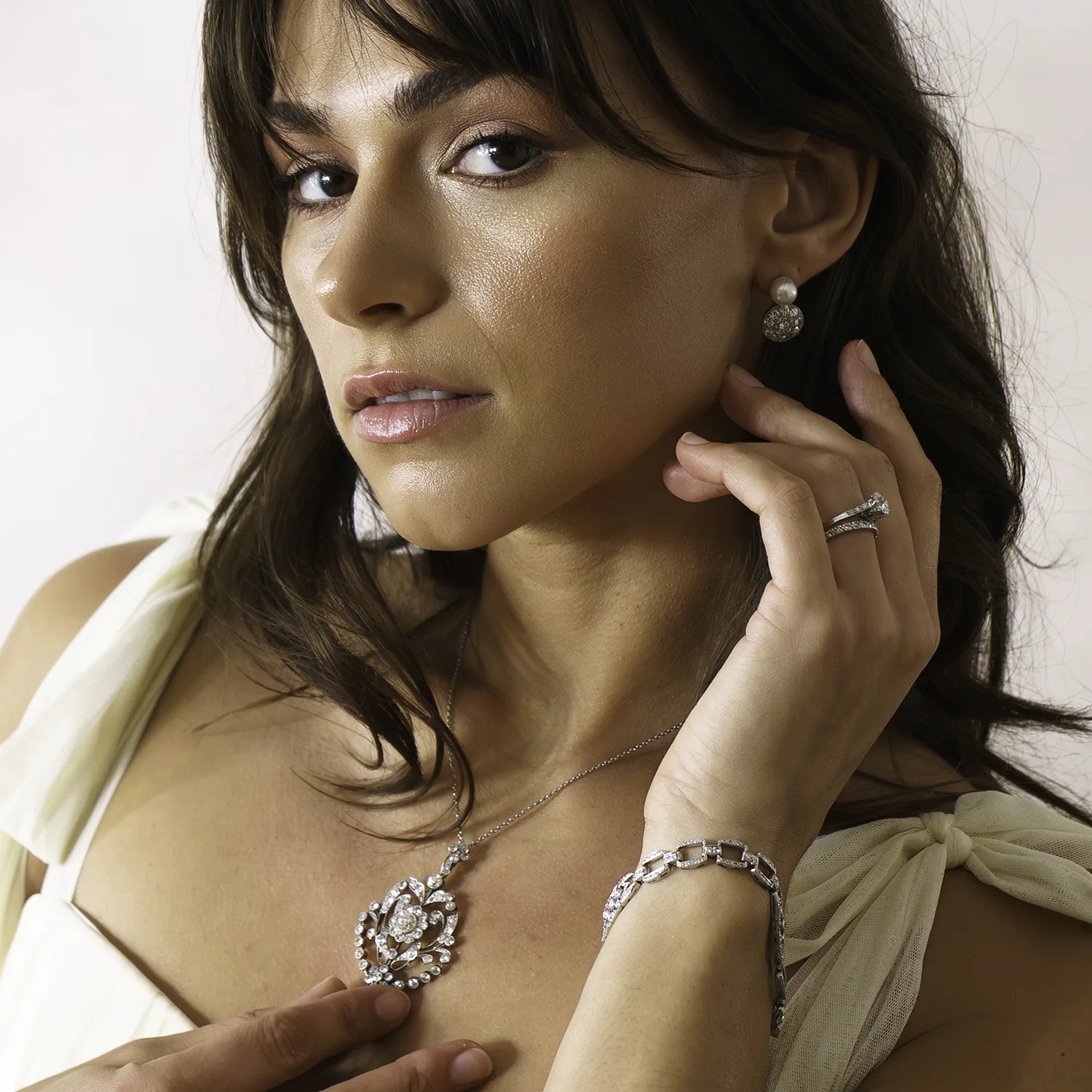

Ask two people why they’re drawn to designer vintage jewellery and you’ll get two different answers. One has spent years reading about Cartier’s Art Deco output and knows roughly what they’re looking for. The other just knows that a piece from Van Cleef & Arpels feels different to hold, even before they can fully explain why. Both are paying attention to something real, and the market reflects it.
What unites them is an instinct that designer vintage jewellery occupies distinct territory, not simply because of age or quality, but because the name behind a piece carries accumulated meaning. Understanding what that meaning consists of, and where it comes from, tends to make buyers more confident and less likely to overpay or overlook something genuinely good.
What Qualifies as Designer Vintage Jewellery?
The term is sometimes used loosely, so a working definition is useful. Designer vintage jewellery refers to pieces made by, or reliably attributed to, a named house with a recognisable design identity and an established body of work. The distinction matters because not every brand that existed in the 1940s or 1950s produced pieces that attract sustained collector interest today. The houses that do tend to have something in common: a design language strong enough to be identified by character rather than just by hallmark.
Cartier’s Art Deco output is a reasonable example. The geometry, the contrasting materials, the particular confidence of the setting work: these are qualities you learn to read. Van Cleef & Arpels developed motifs – the Alhambra being the obvious one, though hardly the only one – that proved durable across changing tastes. Tiffany & Co shaped how buyers thought about the relationship between the stone and the setting in ways that still influence the market. Graff and De Beers occupy slightly different territory, built around an exceptional commitment to stone quality rather than a particular period aesthetic, but the principle is the same: there is a coherent body of work to understand, and understanding it gives you an advantage.
The ‘vintage’ element is more straightforward: pieces from the early to mid-twentieth century and beyond, distinguished from unsigned antique jewellery by the traceable provenance of the maker, usually confirmed through stamps, hallmarks, or engravings.
Why Certain Houses Remain Collectable
Not every jewellery brand that operated in the twentieth century produces pieces that attract lasting collector interest, and the difference between those that do and those that don’t is worth understanding rather than simply assumed.
The houses that endure tend to combine strong design identity with exceptional execution. You can identify a piece of vintage Cartier by its character, not just its hallmark, which tells you something about how consistent the design language was across decades of production. Their craftsmanship was, at the time of making, exceptional relative to what else was available, which is why pieces have generally held up structurally as well as aesthetically. And crucially, their output has developed a narrative over time: periods, collections, and specific pieces that scholars, dealers, and serious buyers have spent decades understanding, so that a later buyer enters a market with real depth of knowledge behind it. That accumulated expertise creates a relatively stable floor of demand that more obscure makers simply cannot rely on.
This is also why buying with some knowledge of a house’s history tends to produce better outcomes than buying on name recognition alone. A Cartier bracelet from a less celebrated period of their output is a different proposition to one from their Art Deco peak, even if both carry the same hallmark.
Designer Vintage Jewellery as a Considered Purchase
People come to designer vintage jewellery from different directions. Some are drawn by the aesthetic: a piece that carries real history, made by a house with a genuine design legacy, is simply a different object to a new piece however well made. Others are interested in the collectability of certain periods or pieces within a maker’s output, and approach buying with research and patience.
What matters most, regardless of motivation, is buying from someone who can speak to the piece accurately. The difference between a knowledgeable specialist and a general seller is most visible precisely here: in whether the description of a piece reflects genuine familiarity with the house, the period, and the design, rather than information assembled from the hallmark alone. A good dealer will tell you where a piece sits within a maker’s broader output, what makes it typical or unusual, and what to look for in terms of condition. That context is difficult to come by on a general marketplace and is part of what makes specialist buying worth the effort.
It is also worth being honest about the tendency to treat designer provenance as a uniform quality signal. A Tiffany ring from the 1950s and a Cartier bracelet from the same decade are quite different propositions in terms of who makes them, what draws collectors to each, and how the secondary market for each behaves. Knowing which houses and periods genuinely interest you tends to lead to better purchases than simply buying the name.
Does Designer Vintage Jewellery Hold Its Value?
The honest answer is that it depends, and the factors that shape the answer are largely knowable. Pieces from well-established houses have historically shown more resilience in the secondary market than unsigned vintage jewellery, which makes intuitive sense: provenance, rarity, and a recognisable design identity support demand in a way that an unsigned piece of equivalent quality cannot always replicate.
But ‘designer vintage’ is not a single category with uniform market behaviour. Condition matters significantly, as does reliable attribution: a piece with clear hallmarks and a documented history occupies a different position to one attributed on stylistic grounds alone. Certain periods within a maker’s output attract consistently stronger interest than others, and broader market conditions play a role in the short term, as they do in any specialist market. None of this makes the category unpredictable, but it does reward buyers who go in with some knowledge of what they’re looking at.
Buying because you genuinely want the piece is generally a sounder position than buying primarily as an investment. The two motivations are not in conflict, but leading with the object rather than the return tends to produce better decisions.
Designer Vintage Jewellery at Farringdons
We stock a wide selection of second-hand designer pieces from Cartier, Tiffany & Co, Van Cleef & Arpels, Graff, De Beers, and others, each sourced and assessed individually. The collection sits alongside our broader antique and vintage range, which covers pieces from the Georgian era through to the latter half of the twentieth century – worth exploring together if you’re interested in a particular period rather than a specific name.
We’re based in Hatton Garden and have handled enough of this material over the years to be able to speak to provenance, period, and condition in some depth. If you have questions about a specific piece or want to understand where something sits within a maker’s output before committing, get in touch or come and see us on Greville Street.
FAQs: Designer Vintage Jewellery
What qualifies as designer vintage jewellery?
Pieces made by or reliably attributed to a named jewellery house with a recognised design identity and an established body of work; Cartier, Tiffany & Co, Van Cleef & Arpels, Graff, De Beers being among the most well known. Attribution is usually confirmed through hallmarks or stamps, and the ‘vintage’ element typically refers to pieces from the early to mid-twentieth century onwards.
Does designer vintage jewellery hold its value?
Pieces from well-established houses have historically shown more resilience in the secondary market than unsigned vintage jewellery. That said, value depends on the specific house, period, condition, and reliable attribution, as well as broader market conditions. Buying with some knowledge of what you’re acquiring tends to matter more than the name alone.
How do I know if a designer vintage piece is genuine?
Authentic pieces typically carry hallmarks or stamps that allow reliable attribution to the house. A specialist should be able to explain what identifying marks are present and provide a condition report on request. For significant purchases, independent appraisal by a qualified valuer once you receive the piece is a reasonable step.
Is designer vintage jewellery only for collectors?
Not at all. Many buyers are drawn simply by wanting something with genuine history and a recognisable design identity behind it, with no particular acquisition strategy in mind. The collector approach and the personal taste approach overlap more than they diverge, and neither requires specialist knowledge to begin with. Only a willingness to ask questions and buy from someone who can answer them.