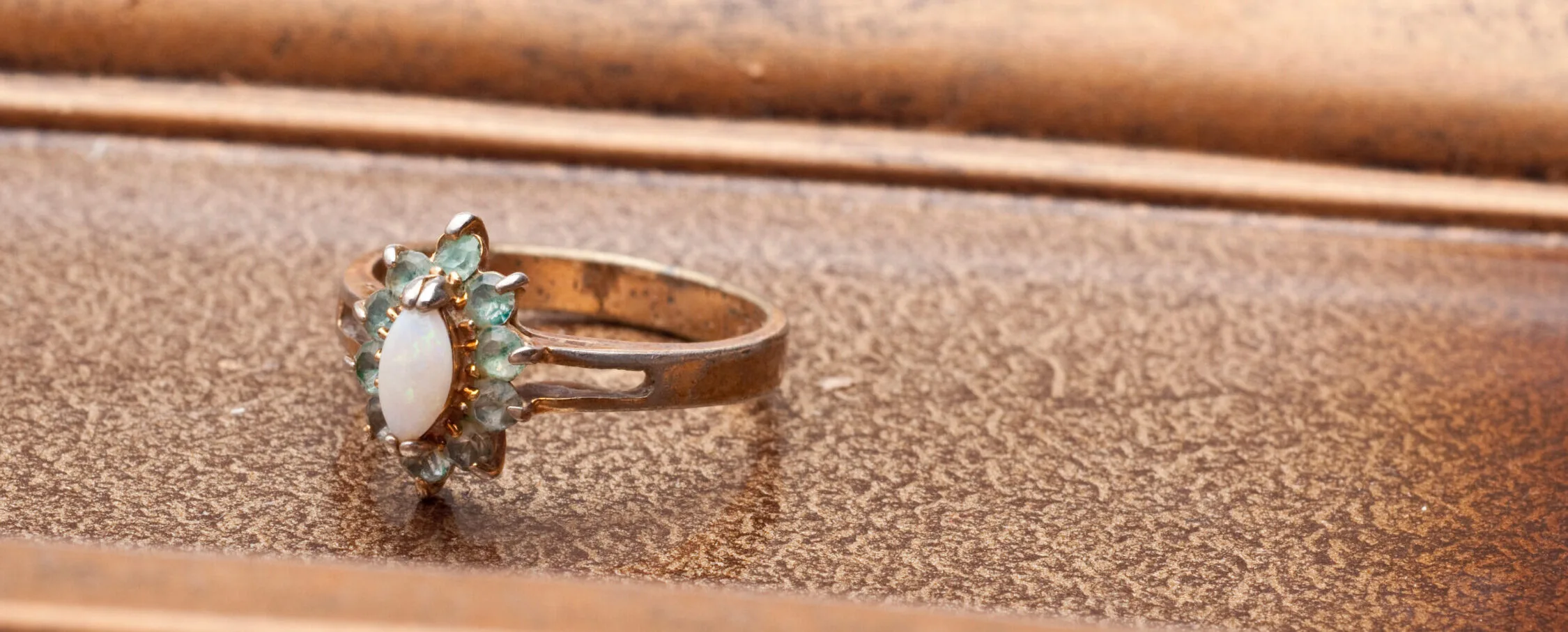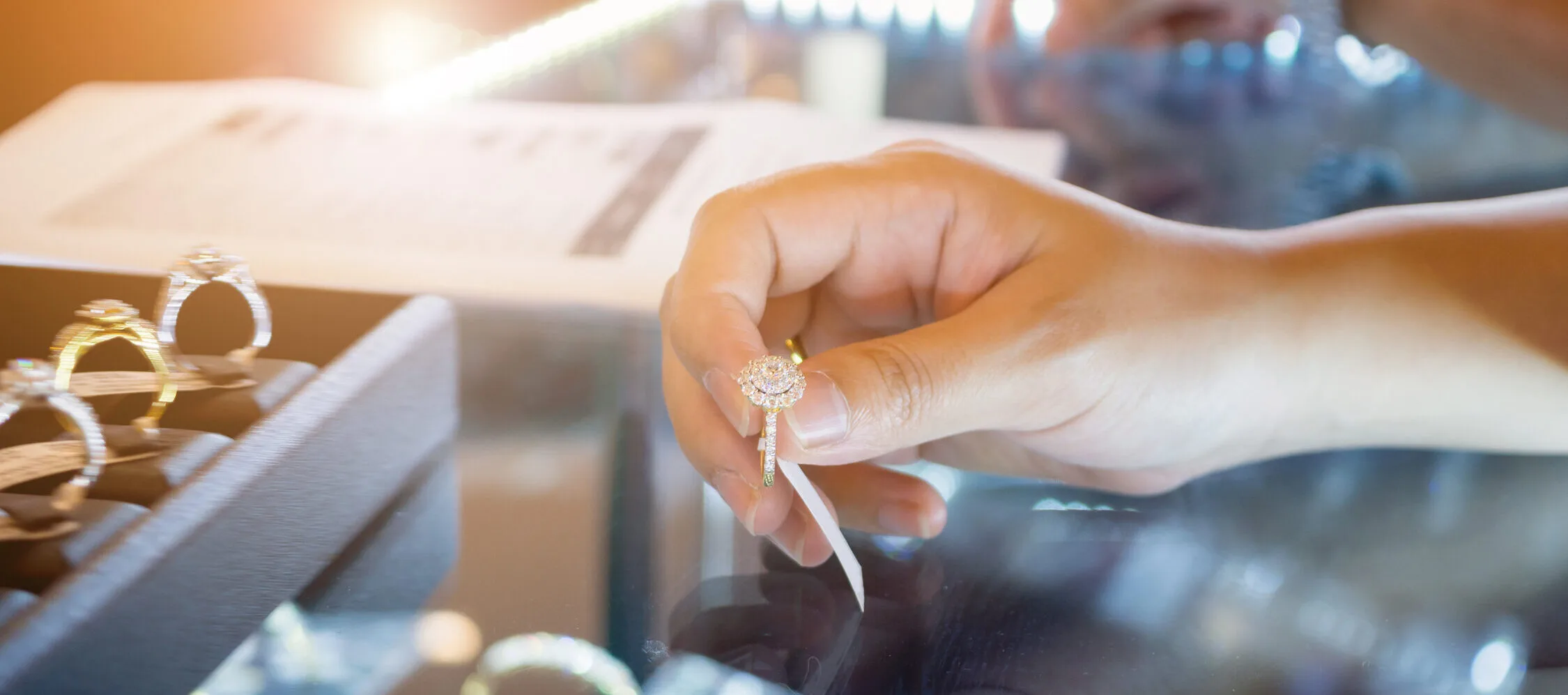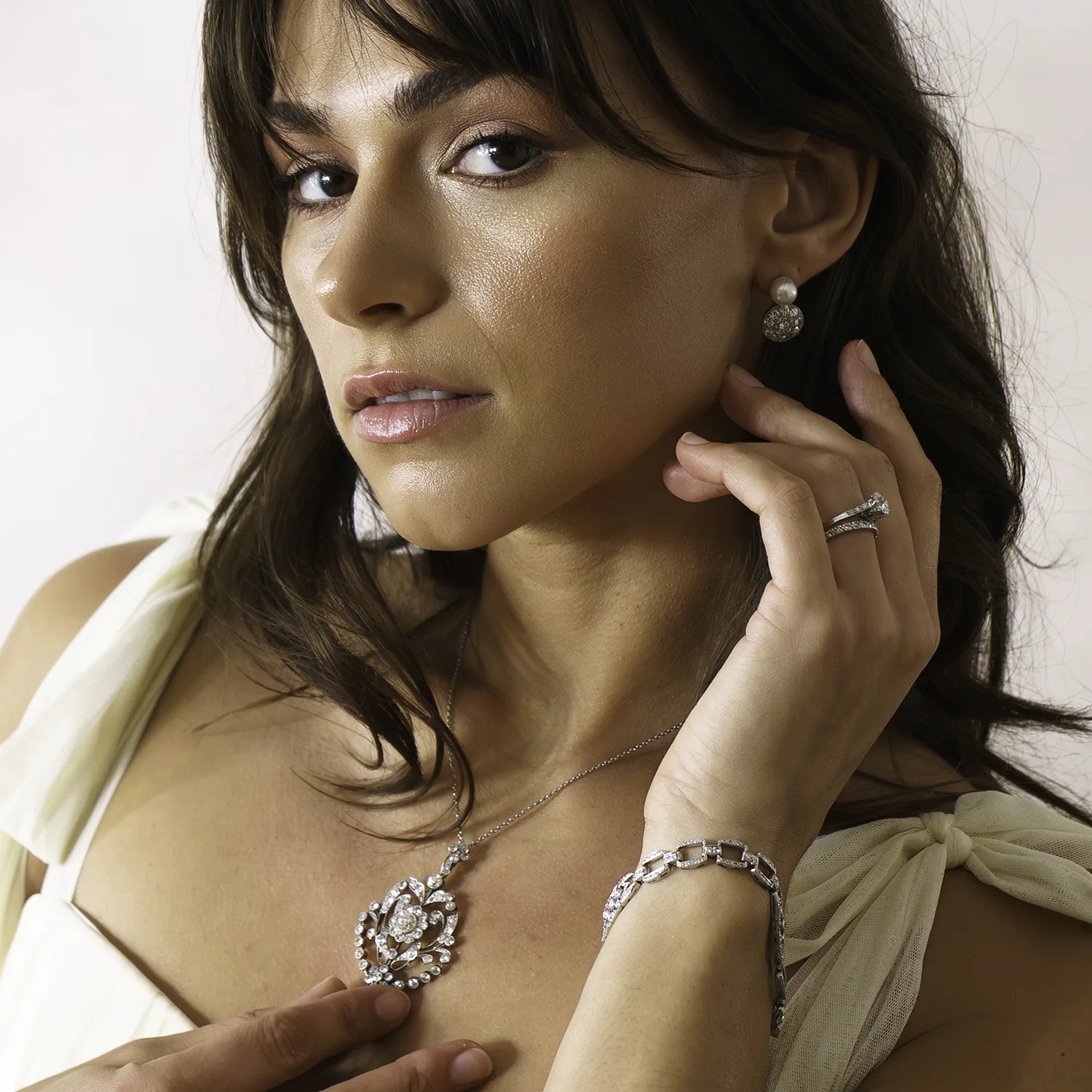
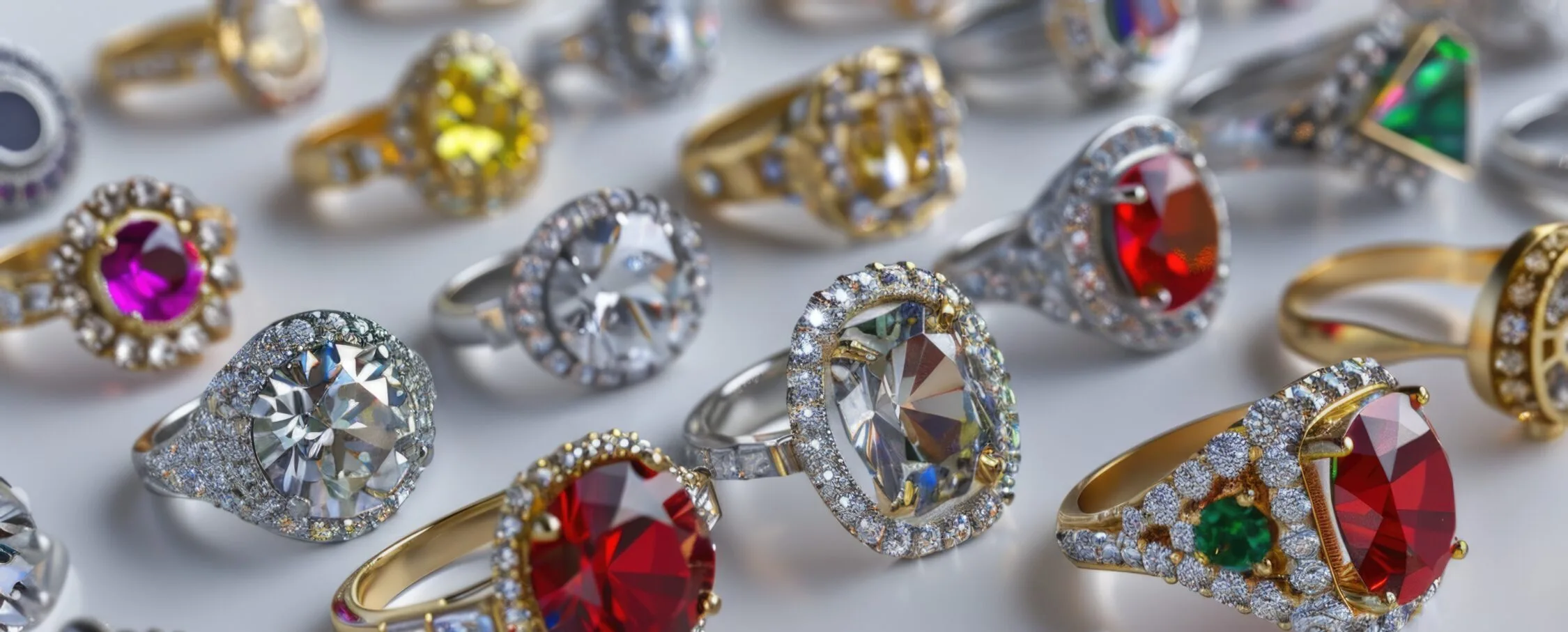
There’s a peculiar thing that happens with antique rings. People are usually confident they know what they have, until they bring it in. We see Victorian rings that turn out to be 1920s reproductions, supposed Georgian pieces that are mid-Victorian sentimental revivals, and once, memorably, a ‘family heirloom from the 1880s’ that had been made in 1957.
None of this is really a problem. Misidentified rings are still beautiful and often still valuable. They’re sometimes more interesting than the buyer first thought. But it does point to something worth getting right if you’re spending serious money: antique rings reward knowledge, and the knowledge isn’t hard to acquire.
What Counts as Antique?
A hundred years old. That’s the trade definition, and also the threshold UK customs uses for duty purposes. Right now that takes you back to 1926 or earlier, which covers Georgian, Victorian, Edwardian, and the very earliest Art Deco. Anything younger is vintage rather than antique, though hardly anyone is strict about this in conversation.
The distinction matters in a few specific contexts. For most buyers, what actually matters is the era. That’s the unit that shapes how a ring looks, what it’s made of, what it’s worth, and how it wears.
The Main Eras
Georgian (1714–1830)
Genuine Georgian rings are scarce. Most surviving pieces have been altered, repaired, or quietly reset over the centuries, and finding one untouched is a real moment. They were made entirely by hand, usually in yellow or rose gold, often with silver settings for diamonds (silver gave a whiter look under candlelight before platinum was workable).
The most distinctive Georgian feature is the closed back: a small foil-lined cup behind the stone, designed to bounce candlelight back through the gem. You don’t see it on later pieces. It’s a Georgian thing.
Other characteristics include memorial pieces with woven hairwork, sentimental inscriptions inside shanks, and acrostic rings spelling out words like ‘REGARD’ (ruby, emerald, garnet, amethyst, ruby, diamond) or ‘DEAREST’ through the first letters of each stone. Georgian work feels different to anything that came after, and people who collect it tend to collect it seriously.
Victorian (1837–1901)
Victorian covers a lot of ground. Sixty-three years, technically, and the style shifts substantially across that span. Early pieces (1840s into the 60s) lean heavy on sentiment: serpents (Albert gave Victoria a snake ring at their engagement in 1839, which set the trend for decades), forget-me-nots, hearts, lockets with hair compartments. Mid-Victorian work gets bolder and draws on archaeological discoveries, particularly Etruscan goldwork. By the late period things lighten up again, anticipating what comes next.
Victorian rings are almost always gold, usually 15ct or 18ct, sometimes 22ct, occasionally 9ct in later pieces. The stones cover everything from diamonds and pearls to garnets, turquoise, coral, opals. Cluster rings, five-stone rings, and gypsy-set rings are the styles that come up most often in the modern market, and they’re also the ones that wear well day to day. If you love the gold look and love intricate metalwork framing your gems, Victorian is where to look.
Edwardian (1901–1910)
This is the platinum era. The metal had only just become properly workable, with the oxyhydrogen torch making it possible to melt and shape platinum at scale, and Edwardian craftsmen pushed it. Settings get extraordinary: openwork galleries, milgrain edges, filigree so fine it looks impossible until you remember it took someone weeks to make.
One detail worth knowing: while the settings themselves were platinum, the bands and backs were usually still gold, typically 18ct. The platinum was used for the visible upper work where its whiteness and strength mattered, with gold handling the structural parts of the ring. This combination is characteristic of the period and one of the quickest ways to confirm a piece is genuinely Edwardian rather than a later all-platinum reproduction.
Diamonds dominate, usually old European cut, and the combination of platinum’s whiteness with the diamond’s brilliance gives Edwardian rings their particular look. Once you’ve seen a few good examples, the period is hard to mistake.
The trouble is finding them intact. Many were stripped and reset in the 1930s when fashions changed, and again in the 1970s. An untouched Edwardian platinum ring is genuinely uncommon, and worth holding onto when you find one.
Art Deco (1920s–1930s)
Art Deco is the most consistently collected of any antique ring period, and it has been for decades. Demand isn’t going anywhere because the design language hasn’t dated. Geometry, contrast, confident use of colour. A 1925 Cartier ring could be made tomorrow and still feel current.
Worth understanding properly: Deco has tiers. Top-tier work from the major houses sits in a different league entirely from the high-street production of the same period, and the difference shows in the cut of the stones, the quality of the platinum, the precision of the calibré-cut accents along the shoulders. Reproductions made later in the deco style are everywhere. Genuine pieces aren’t.
Art Deco is where we see pieces fully crafted in platinum. Seeing new cuts like the emerald and baguette cut stones come into fashion. Along with the transitional cut (A cut somewhere between the old european and round brilliant)
Mid-Century (1940s–1960s)
Pieces from the 1940s through the 1960s aren’t antique, technically, but they’re increasingly collected. Retro work from the 1940s is bold and yellow-gold heavy, a deliberate move away from platinum (which was rationed for military use during the war). 1950s and 60s work goes in different directions, from cocktail glamour to sculptural modernism, and some pieces from this period sit closer to art objects than conventional jewellery.
We’ve started seeing serious collector interest in 70s and 80s pieces too. Give it another decade and they’ll be properly mainstream.
What to Actually Look For
Beyond identifying the period, a few practical things matter.
Hallmarks first. British hallmarks tell you the metal, the assay office, often a date letter, and sometimes the maker’s mark. They’re the most reliable single source of information on a piece, and a jeweller who can read them properly is one to trust. Unmarked pieces aren’t automatically suspect (some were sold abroad, some pre-date the modern hallmarking system entirely), but they do need more careful authentication.
Condition matters differently in antique rings than in modern ones. A century of wear on the shank is fine and easy to address. Cracked settings, missing stones, badly executed earlier repairs: those are the things to watch. A good jeweller will be candid about what has and hasn’t been done to a piece.
Wearability is the part people often forget. A Georgian ring built for candlelit drawing rooms doesn’t always cope brilliantly with hand sanitiser, gym sessions, and modern daily life. Edwardian and Deco platinum settings are sturdier than they look, but the openwork is still openwork. Buy what you’ll wear, but go in with realistic expectations about what each piece will tolerate.
Antique Rings at Farringdons
Our antique and vintage ring collection runs from Georgian pieces through to mid-century vintage, with new things coming in regularly. We don’t have everything in every era at every moment (collections like this change constantly), but we have one of the deeper selections in Hatton Garden, and we’re always happy to talk through what’s currently in.
We also hold one of Hatton Garden’s largest stocks of antique engagement rings, if you’re looking for something with history for a proposal. If you have something specific in mind (a particular era, a particular stone, a particular budget), get in touch and tell us. We can often source pieces that aren’t in the cabinet yet.
FAQs
What are the most popular antique ring styles?
Art Deco gets the most consistent attention by some distance. Edwardian platinum diamond rings come a close second, and Victorian clusters and five-stone rings still sell well for everyday wear. Georgian pieces have a smaller but devoted collector following. Demand shifts a bit year to year, but the broad pattern has held for as long as we’ve been tracking it.
How old does a ring need to be to be antique?
A hundred years. That’s the standard trade definition and the threshold UK customs uses for duty purposes. At the moment that takes you back to about 1926. The line moves forward each year, which is part of why late-1920s Art Deco pieces have been gradually reclassified as antique over the past decade.
How can I tell if an antique ring is genuine?
Hallmarks are the first port of call for UK pieces. Beyond that, an experienced specialist can read construction techniques, setting styles, wear patterns, and stone cuts to give a confident attribution. For anything significant, an independent valuation from a qualified valuer once you’ve bought is a reasonable extra step.
Is it safe to resize an antique ring?
Often, yes. It depends on the construction. A plain Victorian band is straightforward. An Edwardian filigree shank with stones running halfway around is much less so. Rule of thumb: the more elaborate the ring, the more careful you need to be about who resizes it. We always discuss this honestly before any work, because some pieces really shouldn’t be resized at all.